Silk vs Satin Pillowcases: Why You’re Wasting Money (And What to Buy Instead)
Let’s talk about the pillowcase situation.
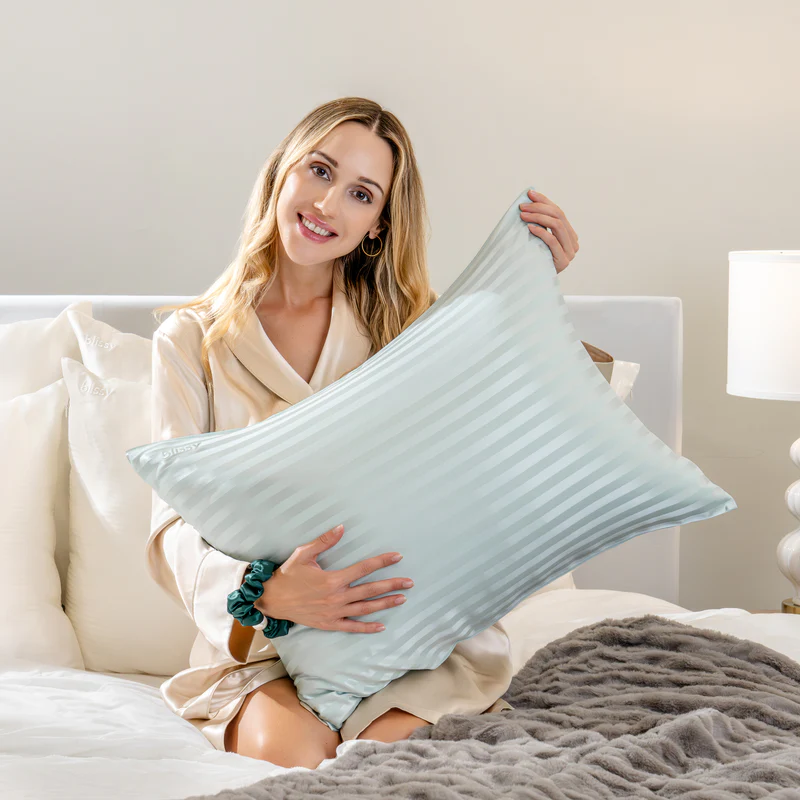
You’ve seen the TikToks. The Instagram ads. Everyone’s suddenly obsessed with “satin” pillowcases promising smoother hair, clearer skin, and fewer wrinkles. They’re $15-25 on Amazon, and the reviews are glowing.
This post may contain affiliate links.
But here’s what nobody’s telling you: most “satin” pillowcases are polyester. And polyester is plastic.
If you’re going to invest in a better pillowcase (and you should—you spend 8 hours a night on it), you need to understand the difference between satin and silk. Because one is a luxury investment that actually delivers. The other is marketing BS wrapped in a pretty package.
Let’s break it down.
What Is Satin, Actually?
Here’s the thing: satin isn’t a material. It’s a weave.
Satin refers to the way fabric is woven—smooth and glossy on one side, matte on the other. You can make satin from silk, polyester, nylon, or even cotton. But 99% of the “satin” pillowcases you see online? They’re polyester satin.
The Problem with Polyester Satin:
It’s plastic. Polyester is a synthetic fiber made from petroleum. It doesn’t breathe, doesn’t regulate temperature, and doesn’t absorb or wick moisture. It’s slippery, sure—but so is a trash bag.
It traps heat. Ever wake up sweaty with your face stuck to your pillowcase? That’s polyester. It doesn’t breathe, so your body heat and moisture have nowhere to go.
It doesn’t actually benefit your skin or hair. The “benefits” of satin pillowcases come from reduced friction. Polyester satin does reduce friction compared to cotton, but it also traps oil, sweat, and bacteria against your skin all night. Not exactly a glow-up.
It feels cheap. Because it is. That slippery, slightly sticky texture? That’s plastic. It might feel smooth at first, but after a few washes, it gets staticky, pills, and loses its sheen.
What Is Silk, Actually?
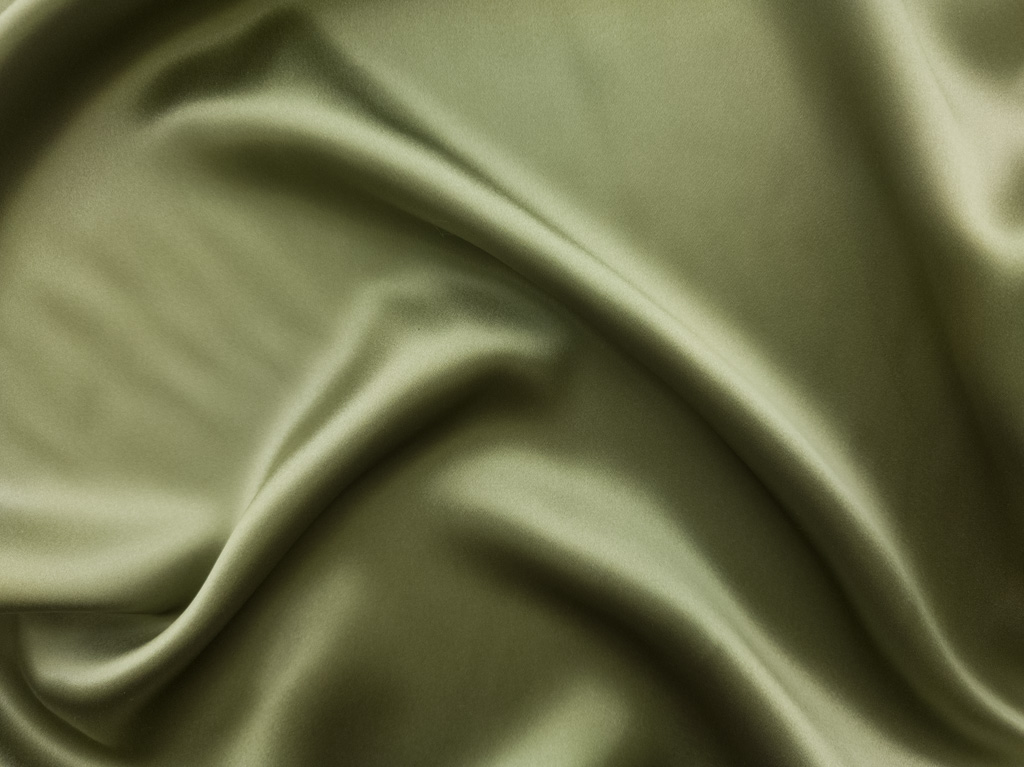
Silk is a natural protein fiber produced by silkworms. It’s been used for thousands of years because it’s one of the most luxurious, functional fabrics on earth.
Real silk—specifically mulberry silk—is what you want. And when you’re shopping, look for 22-momme weight (momme is the unit of measurement for silk density). Anything less than 19-momme is too thin and won’t last.
Why Silk Is Worth It:
It’s a natural protein fiber. Silk contains 18 amino acids that are beneficial for skin and hair. It’s not just smooth—it’s actually nourishing.
It regulates temperature. Silk is naturally breathable and temperature-regulating. It keeps you cool in summer and warm in winter. No more flipping your pillow to find the cool side.
It doesn’t absorb moisture. Unlike cotton (which sucks moisture out of your skin and hair), silk doesn’t absorb. Your expensive skincare stays on your face, not your pillowcase. Your hair retains its natural oils and moisture.
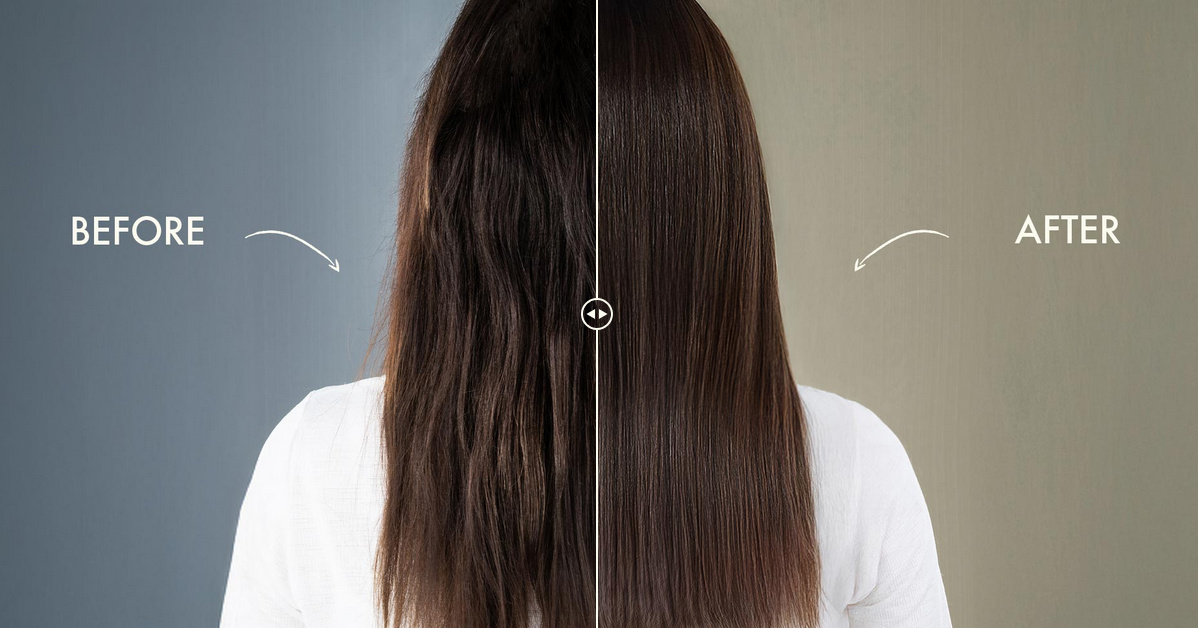
It reduces friction without trapping bacteria. Silk is naturally hypoallergenic and resistant to dust mites, mold, and bacteria. It’s smooth enough to prevent hair breakage and sleep creases, but breathable enough that your skin can actually function.
It lasts for years. A quality silk pillowcase, properly cared for, will last 5-10 years. Polyester satin starts looking sad after 6 months.
The Real Difference: Side-by-Side
| Feature | Polyester Satin | Mulberry Silk (22-momme) |
| Material | Synthetic plastic | Natural protein fiber |
| Breathability | None (traps heat) | Excellent (regulates temp) |
| Moisture | Traps sweat/oil | Doesn’t absorb moisture |
| Skin Benefits | Reduces friction only | Amino acids + hypoallergenic |
| Hair Benefits | Reduces friction only | Reduces breakage + retains moisture |
| Durability | 6-12 months | 5-10 years |
| Feel | Slippery, slightly sticky | Smooth, cool, luxurious |
| Price | $15-25 | $60-90 |
| Cost Per Year | $15-50 (need to replace) | $6-18 (lasts years) |
“But Silk Is So Expensive!”
Let’s do the math.
Polyester satin pillowcase: $20
- Lasts 6-12 months before it looks ratty
- Cost over 5 years: $100-200 (replacing every 6-12 months)
Mulberry silk pillowcase (22-momme): $70
- Lasts 5-10 years with proper care
- Cost over 5 years: $70
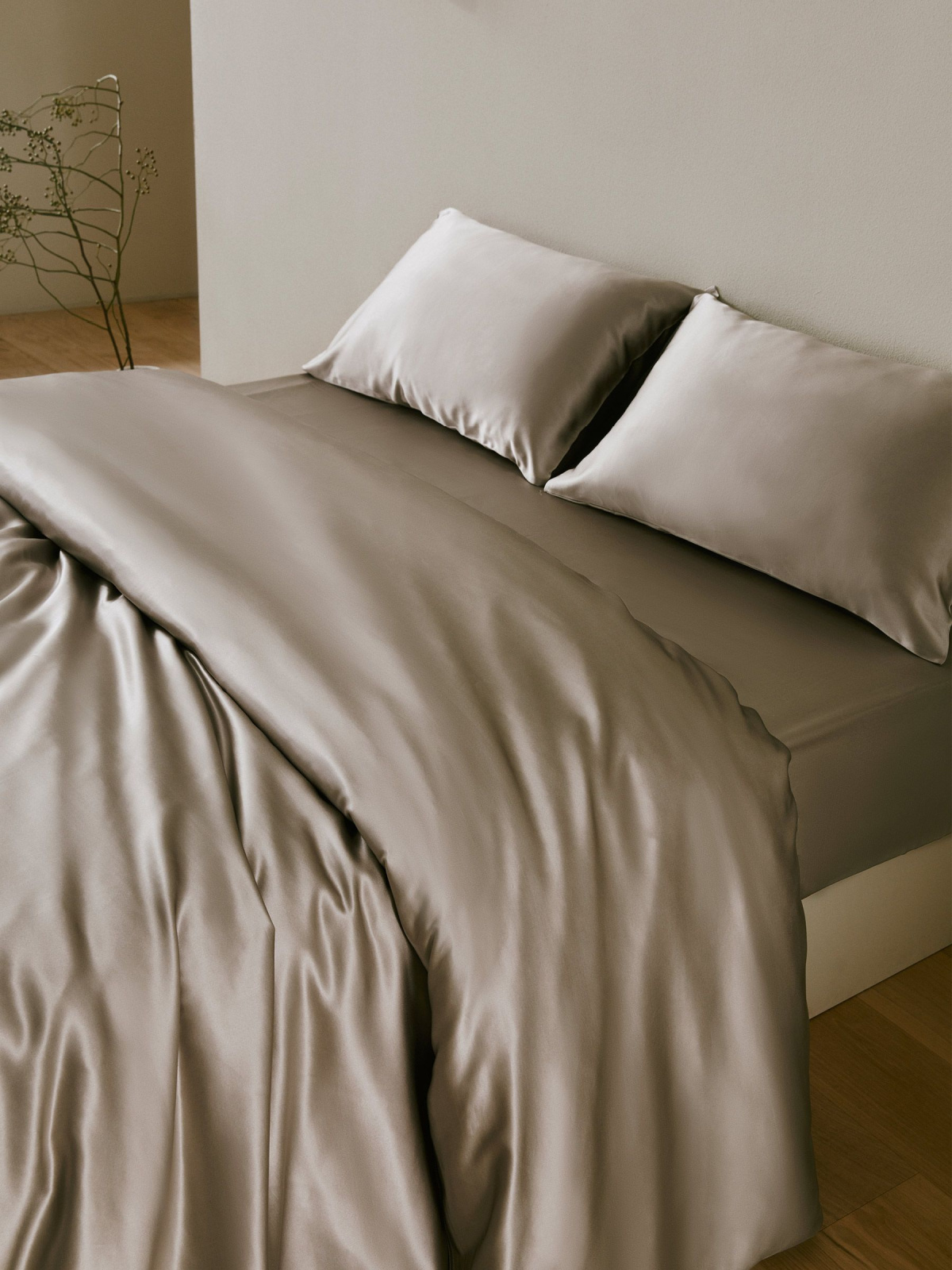
Silk is actually cheaper in the long run. Plus, you’re sleeping on a natural fiber that actually benefits your skin and hair, not plastic that traps bacteria against your face for 8 hours a night.
How to Spot Real Silk (And Avoid Fakes)
When shopping for silk pillowcases, look for:
- “100% Mulberry Silk” (not “silk blend” or “silk-like”)
- 22-momme weight minimum (19-momme is okay, but 22+ is ideal)
- Grade 6A silk (highest quality)
- Hidden zipper closure is good, but envelope closures are fine as well. It’s all a personal preference.
- OEKO-TEX certified (ensures no harmful chemicals)
Red flags:
- “Satin” without specifying material (it’s polyester)
- “Silk satin” under $40 (probably polyester or low-quality silk)
- No momme weight listed (likely thin, cheap silk)
- “Silk blend” (mixed with polyester—you’re paying for plastic)
The Brands Worth Buying
If you’re ready to invest in real silk, here are the brands that actually deliver:
Blissy ($60-90)
- 22-momme mulberry silk
- Multiple color options
- Good customer service
- Frequently on sale
LilySilk ($64-85)
- 22-momme mulberry silk
- OEKO-TEX certified
- Elegant packaging (great for gifts)
- Slightly more expensive but worth it
Slip ($115+)
- The OG luxury silk pillowcase brand
- 22-momme mulberry silk
- Slipsilk™ (their proprietary silk)
- Pricier, but the quality is unmatched

The Bottom Line
Satin is not silk. Most “satin” pillowcases are polyester—plastic that doesn’t breathe, traps bacteria, and feels cheap after a few washes.
Silk is a natural protein fiber that regulates temperature, doesn’t absorb moisture, contains beneficial amino acids, and lasts for years.
The price difference is real, but so is the quality difference. You can spend $20 every 6-12 months on polyester satin that does the bare minimum, or you can spend $70 once on mulberry silk that actually transforms your sleep, skin, and hair for the next 5-10 years.
If you’re going to invest in one luxury self-care item this year, make it a real silk pillowcase. Your hair, your skin, and your future self will thank you.
Ready to upgrade? Check out my full roundup of Self-Love Luxuries for more ways to treat yourself like you matter.
Related Posts:
- 5 Fantabulous Finds: Self-Love Luxuries
- Coming Soon: How to Care for Your Silk Pillowcase (So It Lasts 10 Years)
- Coming Soon: 5 Fantabulous Finds for Better Sleep