What Makes Clothing Look Expensive (Even When It Isn’t)
There’s a difference between expensive clothes and clothes that look expensive. And honestly? A lot of genuinely expensive clothing still looks cheap.

You can spend $400 on a trendy polyester dress and still look less polished than someone in a well-fitting $40 sweater and clean white sneakers. Price tag and polish are not the same thing, and once you understand why, shopping gets a lot easier.
Fabric Matters More Than Labels
This is probably the biggest one, and it’s the detail most people overlook when they’re standing in a fitting room trying to decide if something is worth buying.
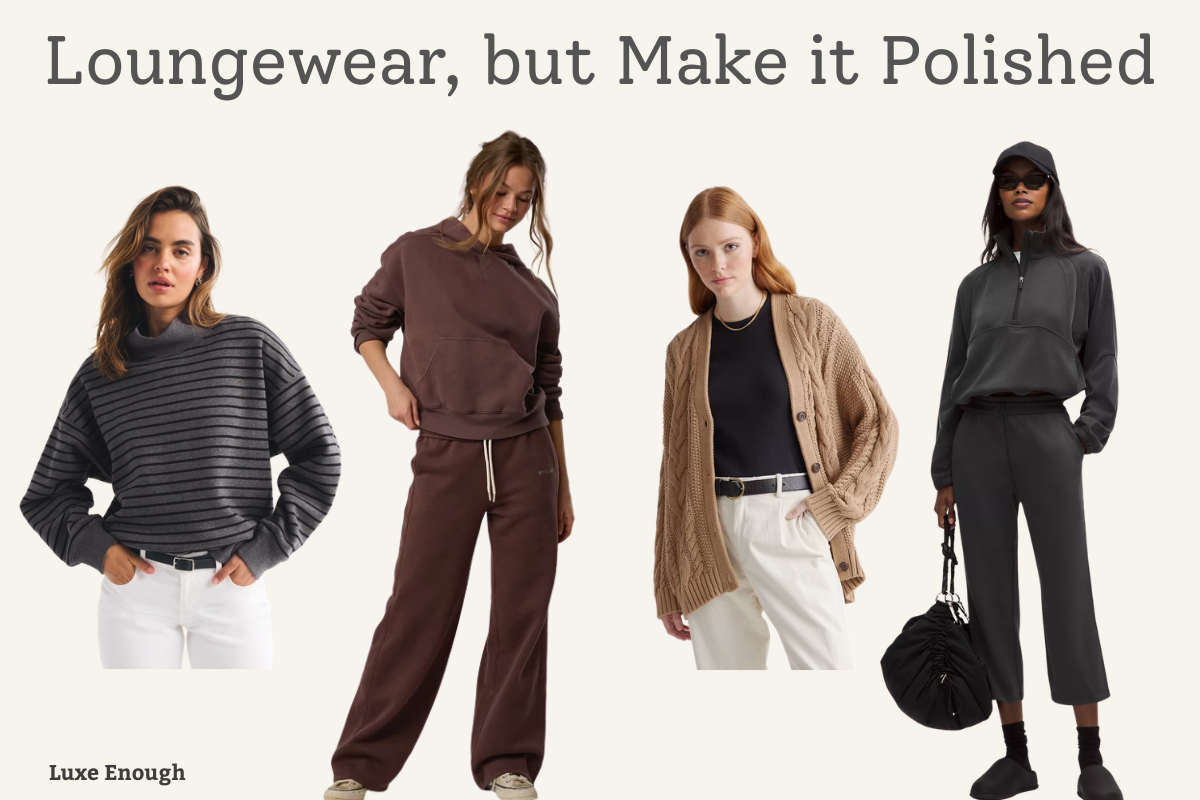
Cheap-looking clothing tends to share a few qualities: overly shiny fabric, thin material with no structure, clingy synthetic knits, and a tendency to wrinkle the second you sit down. Clothes that read more expensive tend to have the opposite. Matte finishes, soft structure, heavier weight, and a clean drape that doesn’t fight your body.
That doesn’t mean everything needs to be linen, wool, or silk. Plenty of affordable fabrics look elevated when they have the right weight and finish. A thick cotton tee almost always looks more expensive than a thin, clingy one. Some of my favorite tee shirts came from Old Navy.
A matte sweater reads more polished than something shiny or slick. Texture also matters more than people realize — ribbed knits, brushed fabrics, boucle, woven textures, and crisp cottons all tend to look more expensive than flat synthetic materials, regardless of the price on the tag.
Fit Is More Important Than Price
This is where most outfits fall apart.
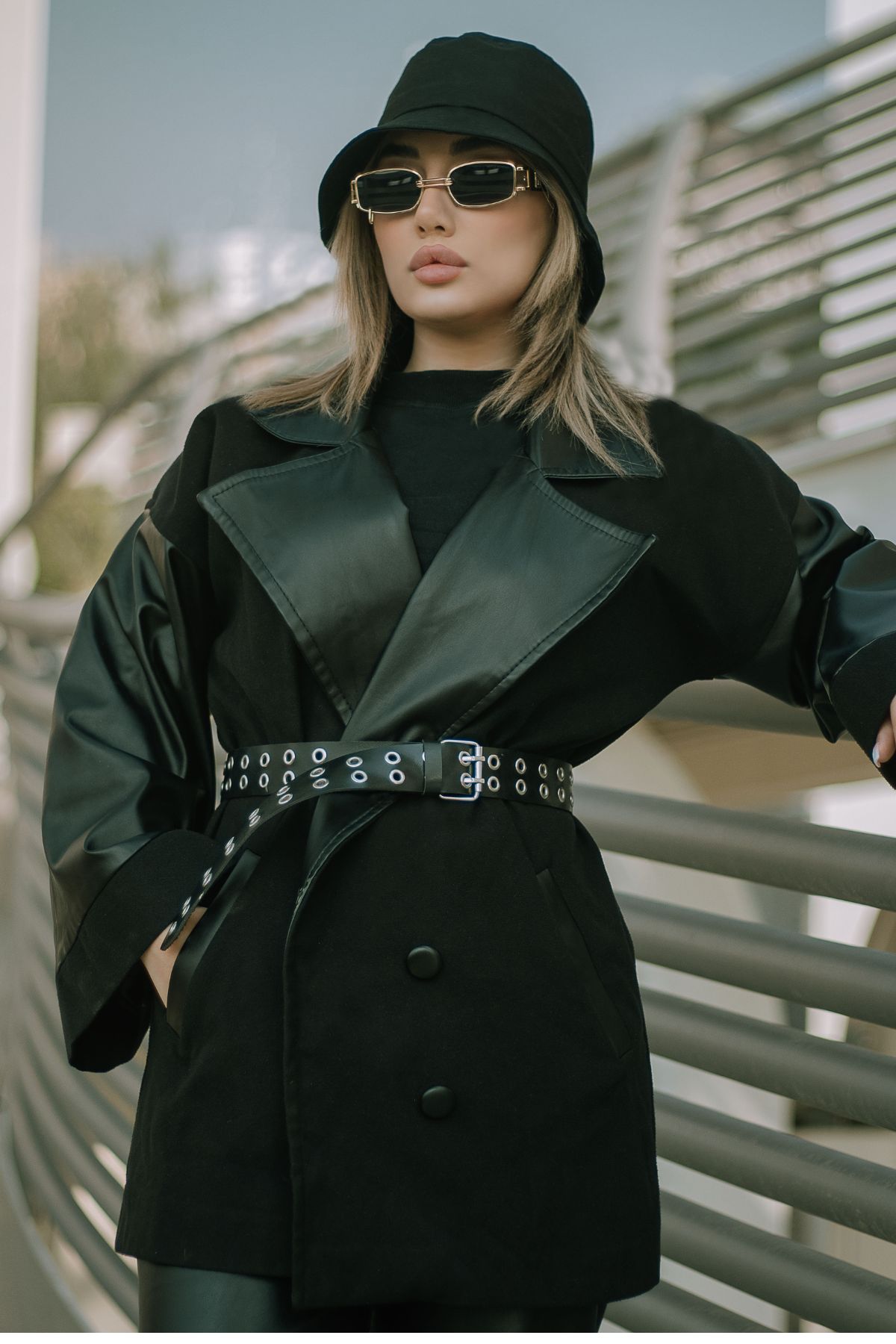
Clothing that looks expensive usually skims the body instead of squeezing it, fits properly in the shoulders, hits at the right length, and stays put without constant adjusting. Overly tight clothing often makes outfits look less expensive because it disrupts the structure of the garment. You stop seeing the piece and start seeing the tension.
Oversized can look incredibly chic when it’s intentional. The problem is when intentional becomes sloppy, and that line is mostly about fit in the shoulders and length at the hem.
One of the easiest upgrades most people skip is basic tailoring. Things like hemming pants, adjusting sleeves, taking in a blazer slightly, and shortening straps. These small fixes make affordable clothing look dramatically more expensive. The alteration often costs less than the difference between the item you almost bought and the item you settled for.
Hardware Makes a Huge Difference
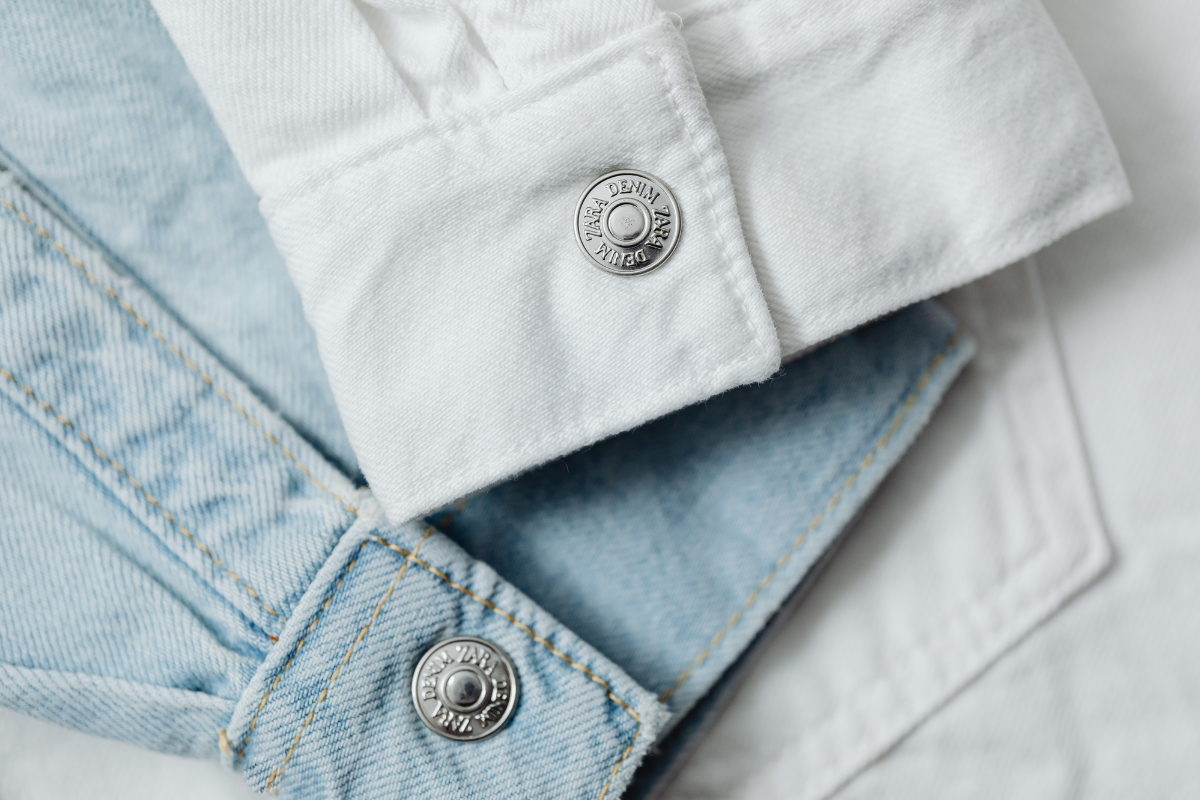
Cheap zippers, thin buttons, flimsy clasps, and lightweight hardware can instantly cheapen an otherwise solid outfit. This shows up most obviously on handbags, shoes, belts, and jackets, mainly where a fastener or closure is doing visible work.
Heavy, smooth hardware reads more elevated. Matte finishes usually look more expensive than overly shiny chrome. And here’s an easy win most people don’t think about: replacing the buttons on a coat or blazer can completely change how expensive the whole piece looks. It takes about ten minutes and costs almost nothing.
Color Palette Changes Everything
Muted, cohesive colors tend to look more elevated than chaotic or overly saturated combinations. That doesn’t mean everything has to be beige. It just means the colors you put together should feel like a decision rather than an accident.
Outfits read more expensive when the tones coordinate, the contrast feels intentional, and nothing is fighting for attention. Cream, navy, olive, chocolate brown, camel, charcoal, soft white, burgundy, and black all tend to create a more polished look simply because they layer well together.
Neon shades, super-bright synthetics, and overly trendy color combinations can make otherwise nice pieces feel cheaper. Not because bright colors are inherently bad, but because they’re harder to pull off with restraint.
Maintenance Is Unglamorous and Non-Negotiable
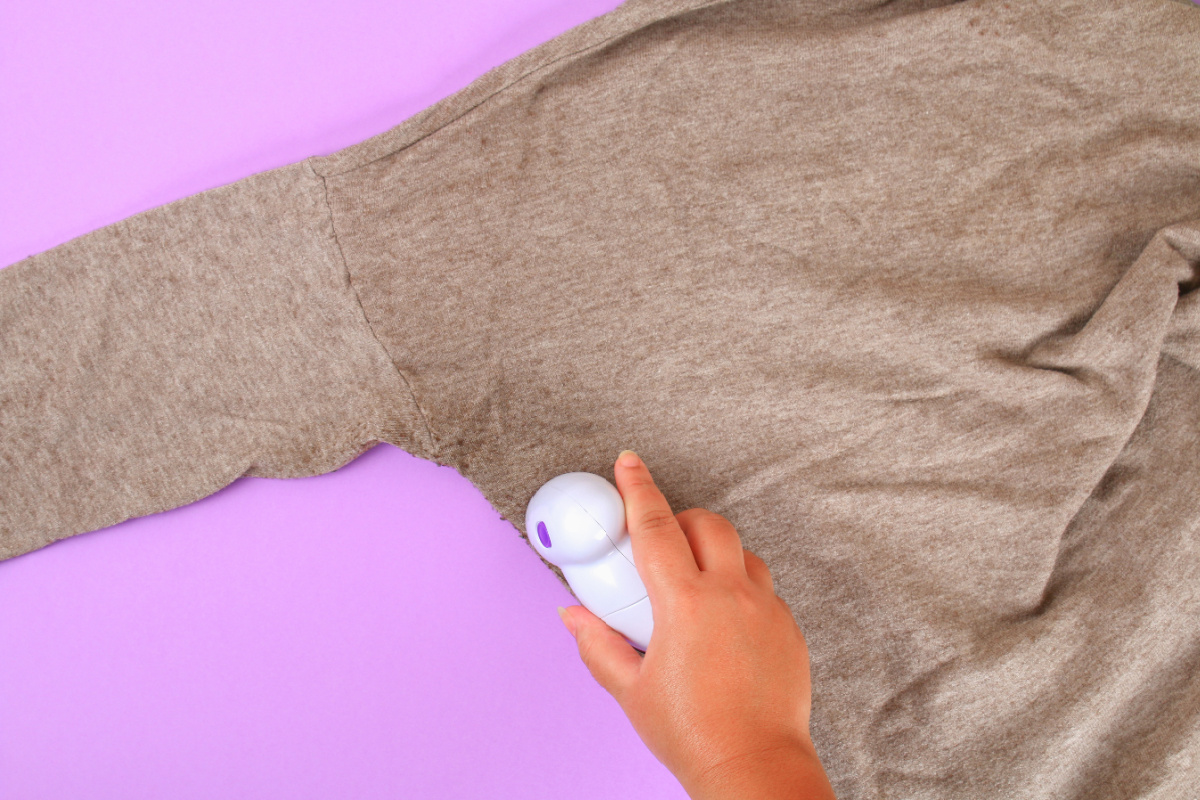
You can wear genuinely expensive clothing and still look messy if your sweater is covered in lint, your shoes are dirty, your coat is wrinkled, or your bag is starting to peel. None of that is about budget. All of it is about habits.
Steaming clothes, using a fabric shaver on pilling knitwear, cleaning sneakers regularly, and storing bags so they hold their shape — these things matter more than most people want to admit. A clean, well-maintained $60 coat will almost always look more expensive than a wrinkled designer one. This is the least exciting tip and probably the most impactful.
Structure Anchors an Outfit
Structured pieces create polish almost automatically, which is why blazers, tailored trousers, structured handbags, crisp button-downs, and thicker knits tend to look more expensive than soft or shapeless alternatives.
This doesn’t mean everything needs to feel formal. Even casual outfits usually benefit from one structured element to anchor them. Leggings with a structured coat, relaxed jeans with a crisp button-down, a simple tee with tailored trousers. The balance between relaxed and structured is usually what creates the polished look, not either extreme on its own.
The Real Secret
Most people assume expensive style comes from buying more expensive things. Usually it comes from better fabric choices, better fit, restraint, maintenance, and thoughtful combinations.
The irony is that once you start paying attention to those details, you often stop feeling the need to buy as much. Because the goal isn’t to look rich. It’s to look intentional. Those are very different things, and only one of them actually requires money.
Related Posts:
- Good, Better, Best: White Sneakers That Don’t Look Cheap
- Designer vs Dupe: When It Matters And When It Doesn’t
- Coming Soon: Good, Better, Best: Classic Tote Bags That Don’t Look Cheap